
If you’re a senior living with diabetes or caring for someone who is, you already know that food choices can feel overwhelming. What can you eat? What should you avoid? And more importantly—what actually works to keep blood sugar stable without giving up the joy of eating?
You’re in the right place. This guide breaks down the most effective eating approaches for older adults managing diabetes, based on what real people find sustainable and what nutrition science supports.
Disclaimer: This content is for educational purposes. Always speak with your doctor or dietitian before changing your eating plan, especially when managing diabetes.
Why Seniors Need Different Dietary Approaches for Diabetes
Your body at 65 isn’t the same as it was at 35—and that’s perfectly normal. Metabolism shifts, appetite changes, and the way your body handles sugar evolves with age. Many seniors also take multiple medications, have different activity levels, and face unique nutritional challenges like maintaining muscle mass.
The good news? The right eating strategy can make managing diabetes significantly easier while actually improving how you feel day-to-day.
The Mediterranean Way: Why Doctors Keep Recommending It
Here’s why the Mediterranean approach consistently tops the list for seniors with diabetes: it’s not really a “diet” in the restrictive sense. It’s more like rediscovering how humans ate before processed food took over.
What Makes It Work?
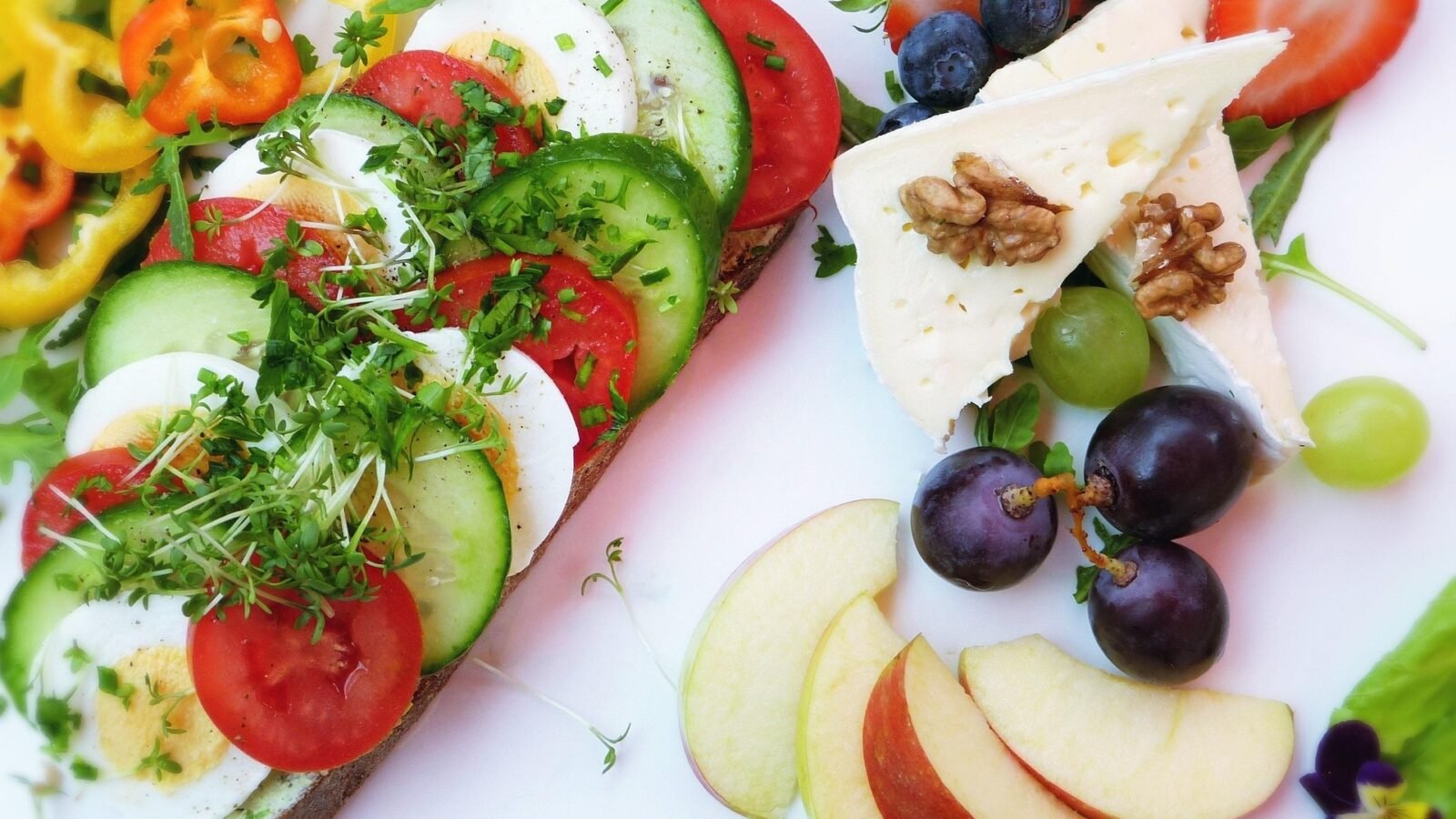
Think colorful vegetables filling half your plate, olive oil instead of butter, fish a couple times weekly, and yes—even a glass of red wine if your doctor approves. This pattern naturally limits the foods that spike blood sugar while loading you up with nutrients that protect your heart, brain, and blood vessels.
What you’ll eat regularly:
- Vegetables at every single meal (the more colors, the better)
- Fish like salmon, sardines, or tuna twice weekly
- Beans, lentils, and chickpeas as protein powerhouses
- Whole grains in sensible amounts—think a fist-sized portion
- Olive oil as your primary fat
- Nuts as snacks, not by the handful but by the small palmful
- Fresh fruit, treating it like nature’s dessert
What you’ll eat less often:
- Red meat (maybe once a week)
- Sweets and pastries (save them for special occasions)
- Processed snacks and fast food
The beauty here? This eating style fights the two biggest threats for seniors with diabetes: heart disease and inflammation. Studies show people following this pattern often see better blood sugar numbers within weeks.
The DASH Approach: When Blood Pressure Is Also a Concern
Let’s be honest—if you have diabetes, there’s a good chance you’re also watching your blood pressure. About two-thirds of people with diabetes deal with both conditions.
Enter the DASH diet, which tackles both problems simultaneously.
How DASH Works for Diabetes
This approach focuses on lowering sodium while increasing potassium, magnesium, and calcium—minerals that help control blood pressure and support healthy blood sugar levels.
Your daily eating pattern looks like:
- Vegetables and fruits dominating your plate (go easy on high-sugar fruits)
- Whole grains replacing white bread, white rice, and regular pasta
- Low-fat dairy or fortified plant alternatives for calcium
- Lean proteins like skinless chicken, fish, eggs, and plant proteins
- Limited salt—you’ll flavor with herbs, spices, lemon, and garlic instead
Real-world tip: Your taste buds adapt to less salt in about two weeks. Suddenly, processed foods will taste unpleasantly salty.
The Low-Glycemic Strategy: Understanding Food Impact
Some foods send your blood sugar skyrocketing. Others let it rise gently and steadily. That’s the glycemic index (GI) in action, and understanding it changes everything.
Foods That Keep Blood Sugar Steady (Low-Glycemic)
- Vegetables: Almost all non-starchy ones—broccoli, spinach, cauliflower, peppers, mushrooms
- Proteins: Chicken, fish, eggs, tofu, and Greek yogurt
- Legumes: Black beans, kidney beans, lentils, chickpeas
- Whole grains: Steel-cut oats, quinoa, barley, bulgur
- Fruits: Berries, apples, pears, oranges, cherries
- Nuts and seeds: Almonds, walnuts, chia seeds, flaxseeds
Foods That Spike Blood Sugar (High-Glycemic)
- White bread, bagels, and most commercial breads
- White rice and instant rice
- Most breakfast cereals, especially sweetened ones
- Baked potatoes, especially when fluffy
- Sweetened drinks and fruit juices
- Candy, cookies, cakes, and pastries
Here’s the trick: You don’t have to eliminate high-GI foods completely. Combine them with protein, fat, or fiber to slow down sugar absorption.
Creating Your Diabetes-Friendly Plate
Forget counting every calorie. The plate method gives you visual portion control that works in real life—whether you’re at home, at a restaurant, or at your daughter’s house for dinner.
The Simple Plate Formula
Picture a standard 9-inch dinner plate:
Half the plate (50%): Non-starchy vegetables like salad greens, steamed broccoli, green beans, roasted Brussels sprouts, or sautéed spinach.
One quarter (25%): Lean protein like grilled fish, skinless chicken, eggs, tofu, or beans.
One quarter (25%): Carbohydrates like brown rice, quinoa, sweet potato, whole wheat pasta, or whole grain bread.
Plus: A small piece of fruit or cup of low-fat milk on the side if it fits your plan.
This visual approach takes the guesswork out and naturally controls portions without feeling restrictive.
Superfoods That Punch Above Their Weight
Certain foods have earned their reputation for helping manage diabetes. Here’s what actually deserves a regular spot on your plate:
Leafy Greens: Nearly carb-free, packed with vitamins, and loaded with antioxidants. Aim for at least one serving daily.
Fatty Fish: These omega-3 powerhouses reduce inflammation and protect your heart. Two servings weekly is the goal.
Berries: Lower in sugar than most fruits, high in fiber, and packed with compounds that may improve insulin sensitivity.
Nuts and Seeds: Healthy fats slow sugar absorption and keep you satisfied. A small handful makes an excellent snack.
Beans and Lentils: These fiber champions stabilize blood sugar and provide plant-based protein. Half a cup counts as both protein and carbohydrates.
Greek Yogurt: Higher in protein than regular yogurt. Add your own fruit to control sugar.
Foods to Limit (Not Eliminate, Just Minimize)
Nobody’s suggesting you never enjoy certain foods again. But these should be occasional treats rather than regular staples:
Sugary Beverages: Regular soda, sweet tea, and fruit juice spike blood sugar fast. Water, unsweetened tea, and coffee are better daily choices.
Refined Grains: White bread, white rice, and regular pasta behave like sugar in your body. Choose whole grain versions and watch portions.
Fried Foods: The combination of refined carbs and unhealthy fats is a double hit. Bake, grill, or air-fry instead.
Processed Meats: Bacon, sausage, and deli meats often contain added sugars plus unhealthy fats.
Special Challenges Seniors Face
“I’m Not Hungry Anymore”: Eat smaller amounts more frequently and choose calorie-dense healthy foods like nut butters and avocados.
“Healthy Food Is Too Expensive”: Frozen vegetables, canned beans, eggs, and seasonal produce are budget-friendly options.
“I Can’t Chew Like I Used To”: Cook vegetables until soft, choose fish over tough meats, and try smoothies and soups.
“I Live Alone”: Batch cooking, slow cookers, and healthy convenience items make solo eating easier.
Sample Day of Eating for Seniors with Diabetes
Here’s what a realistic day might look like:
Breakfast (7:30 AM): Two scrambled eggs with spinach and tomatoes, one slice of whole grain toast with a thin spread of almond butter, and a cup of berries. Black coffee or tea.
Mid-Morning Snack (10:30 AM): A small apple with 10-12 almonds.
Lunch (12:30 PM): Large mixed green salad with grilled chicken breast, chickpeas, cucumber, bell peppers, and olive oil vinaigrette. A small whole grain roll on the side.
Afternoon Snack (3:30 PM): Plain Greek yogurt with a sprinkle of cinnamon and a few walnuts.
Dinner (6:00 PM): Baked salmon with lemon and herbs, roasted broccoli and cauliflower with olive oil, and a half cup of quinoa.
Evening (Optional, 8:00 PM): Herbal tea or a small handful of berries if hungry.
This pattern provides balanced nutrition, steady energy, and keeps blood sugar stable throughout the day.
Timing Your Meals: Why When You Eat Matters
Many seniors discover that eating on a consistent schedule makes a huge difference in how they feel and their blood sugar patterns.
Three meals at regular times beats skipping breakfast and eating a huge dinner. Your body processes food better earlier in the day. Try spacing meals about 4-5 hours apart.
Small, planned snacks prevent blood sugar dips between meals. Good timing is mid-morning and mid-afternoon if there’s a long gap between meals.
The Breakfast Advantage: Skipping breakfast is common among seniors, but it often backfires with diabetes. A protein-rich breakfast sets your blood sugar tone for the entire day. Think scrambled eggs with vegetables, Greek yogurt with berries and nuts, or oatmeal with almond butter.
Working with Your Healthcare Team
Your doctor and dietitian are partners in this journey. They help you set realistic blood sugar targets, adjust medications as your eating improves, and monitor for nutrient deficiencies.
Blood sugar testing shows you personally how foods affect you. Some people tolerate oatmeal fine; others see spikes. Your own data guides your choices better than any generic advice.
Regular check-ins help catch problems early and celebrate wins. Even small improvements in A1C matter for long-term health.
Frequently Asked Questions
Do I need to give up all carbs? No. Your brain and body need carbohydrates. Choose whole-grain, high-fiber carbs in appropriate portions rather than cutting them completely.
Can I ever have dessert? Yes, occasionally. Small portions of dessert after a balanced meal affect blood sugar less than dessert alone. Or try fruit-based options.
Is fruit bad for diabetes? No. Whole fruit contains fiber that slows sugar absorption. Berries, apples, and citrus are particularly good choices. Just watch portions—a serving is typically one small piece or a cup of berries.
Should I buy diabetic specialty foods? Usually unnecessary. Many “diabetic” products are expensive and no better than regular healthy options. Read labels carefully.
What about artificial sweeteners? Stevia, monk fruit, and erythritol are generally considered safe options. However, whole foods should always be your priority over processed diet products.
Your Action Plan: Start Simple
Pick ONE strategy to start:
Week 1: Fill half your plate with vegetables at dinner.
Week 2: Add a protein-rich breakfast daily.
Week 3: Replace one refined grain with a whole grain.
Week 4: Add one 30-minute walk after your largest meal.
Small changes compound. Many seniors see blood sugar improvements within two weeks of consistent healthy eating.
The Bottom Line
The best diet for seniors with diabetes is the one you’ll actually stick with. It should keep your blood sugar in a healthy range, provide energy for daily activities, protect your heart and kidneys, and include foods you genuinely enjoy.
Whether you lean toward Mediterranean eating, follow DASH principles, or focus on low-glycemic foods, consistency matters more than perfection. Start where you are. Make one small change. Build from there.
Managing diabetes isn’t about being perfect—it’s about being consistent, patient with yourself, and willing to learn what works for your unique body.
This article provides general information and is not medical advice. Consult your healthcare provider or a registered dietitian specializing in diabetes for personalized guidance.
About the Author
